Xabi Alonso's tumultuous tenure as Real Madrid coach came to an abrupt end just seven months after he took the reins, with his departure described as a "mutual agreement" that was precipitated by the team's 3-2 loss to Barcelona in the Spanish Super Cup final. In his place, the club turned to Álvaro Arbeloa, a …
La verdad detrás del abismo: ¿Qué les pasó a Xabi Alonso y al Real Madrid para que su legado se quedara en el aire?
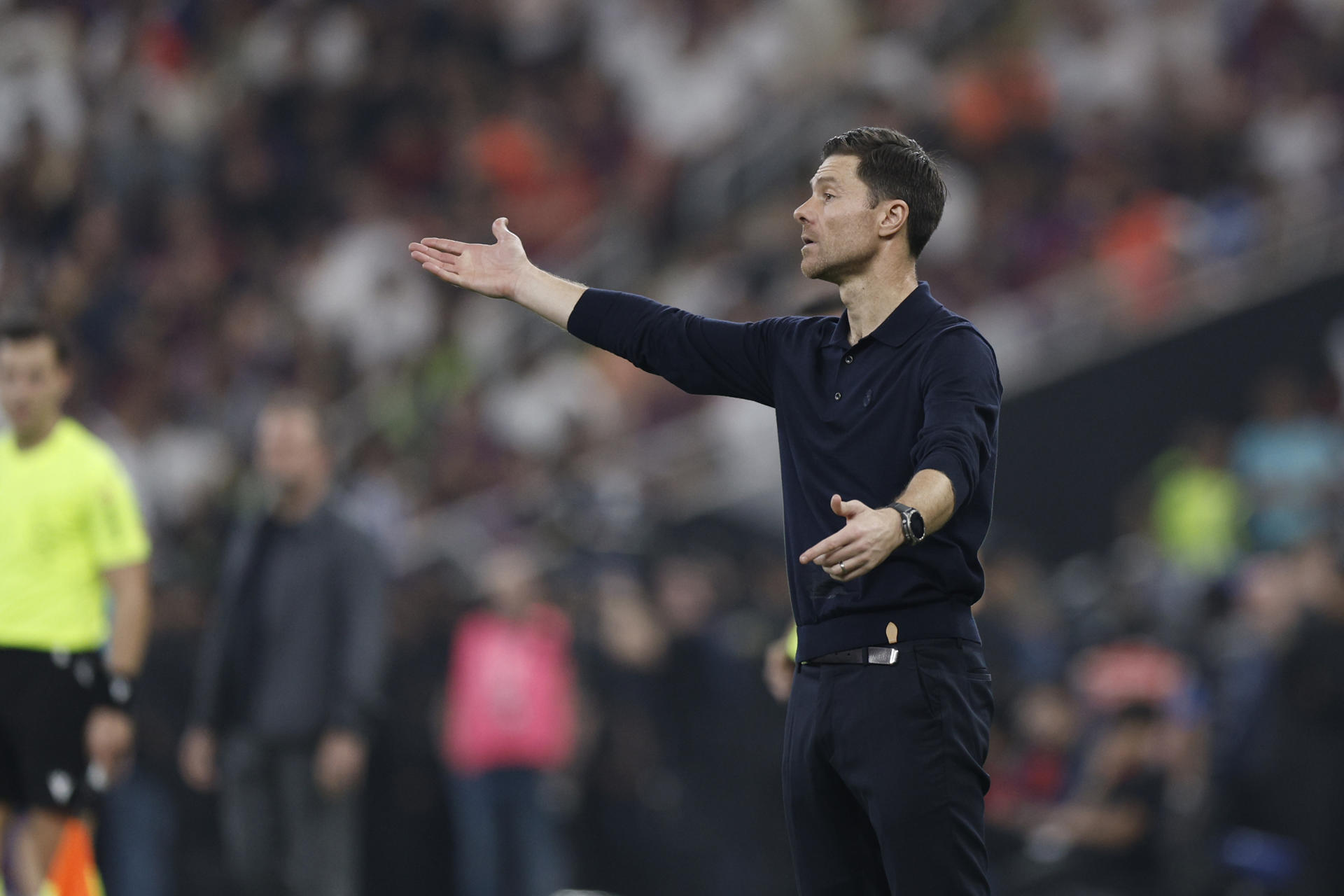
Xabi Alonso’s tumultuous tenure as Real Madrid coach came to an abrupt end just seven months after he took the reins, with his departure described as a “mutual agreement” that was precipitated by the team’s 3-2 loss to Barcelona in the Spanish Super Cup final. In his place, the club turned to Álvaro Arbeloa, a internal solution from within the organization. The contrast between Alonso’s arrival and his eventual departure is stark: he was touted as a modern, methodical, and successful coach in his previous role at Bayer Leverkusen… but Real Madrid has never been one to prioritize the “flashiest” tactician.
Despite his impressive credentials, Alonso struggled to make an impact on the pitch, with the team’s results failing to meet expectations. The 3-2 defeat to Barcelona was the final straw, and it marked a turning point in his time at the club. It’s worth noting that Alonso’s departure wasn’t entirely unexpected; there were already whispers of discontent within the squad and rumors of a rift between the coach and certain players.
In the end, Alonso’s inability to connect with the team and his failure to deliver on the pitch led to his downfall. The former midfielder was tasked with revitalizing Real Madrid’s attack and bringing a winning mentality back to the club, but he ultimately failed to make the desired impact. His departure marks a new chapter in the club’s history, one that will likely be defined by a renewed focus on youth development and a willingness to take risks.
The appointment of Álvaro Arbeloa as interim coach is seen as a temporary solution rather than a long-term fix. As a former player with deep roots at the club, Arbeloa is well-placed to stabilize the team in the short term, but his lack of coaching experience means that he will not be expected to bring about a dramatic change in the team’s fortunes.
In many ways, Alonso’s departure serves as a reminder that Real Madrid is not always driven by the pursuit of the “best” coach or the most innovative tactics. The club has a rich history and a strong identity, and it often prioritizes stability and continuity over trying to reinvent the wheel. As such, Arbeloa’s appointment may be seen as a deliberate choice rather than a desperate attempt to salvage the season.
Ultimately, Alonso’s failure to succeed at Real Madrid marks a disappointing end to what was meant to be an exciting new chapter in his career. The former midfielder had been hailed as one of the most promising young coaches in the game, and his arrival at Real Madrid was seen as a major coup for the club. However, it seems that Alonso’s inability to adapt to the demands of coaching at the highest level has left him struggling to make an impact.
As the dust settles on Alonso’s departure, the question remains: what next for Real Madrid? Will the club look to appoint another high-profile coach or will they take a more measured approach and opt for stability over innovation? One thing is certain – the appointment of Álvaro Arbeloa as interim coach marks the beginning of a new era at the club, one that will be defined by caution rather than boldness.